

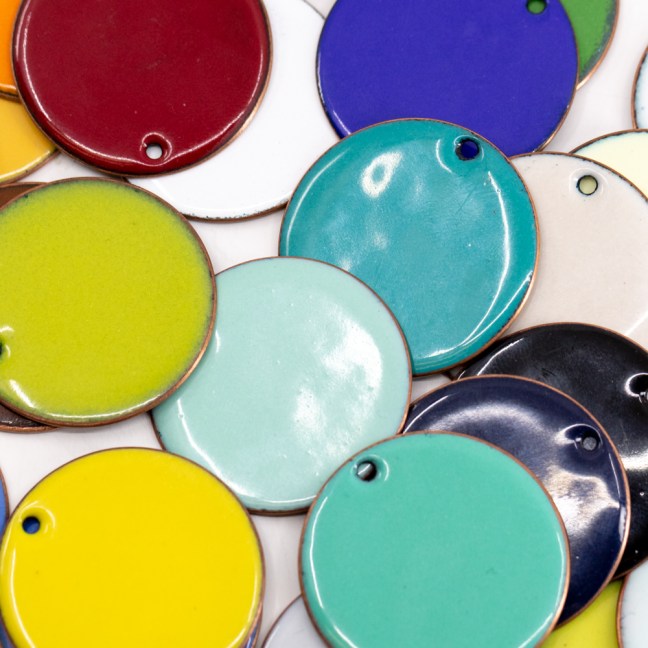
In the world of jewelry design, color isn’t just an embellishment; it’s an essential element that can transform a piece from beautiful to breathtaking. From gemstones to vibrant enamels, there are countless ways for jewelers to infuse their creations with color. Let’s delve into some methods you can use to add color to your work:
Gemstones
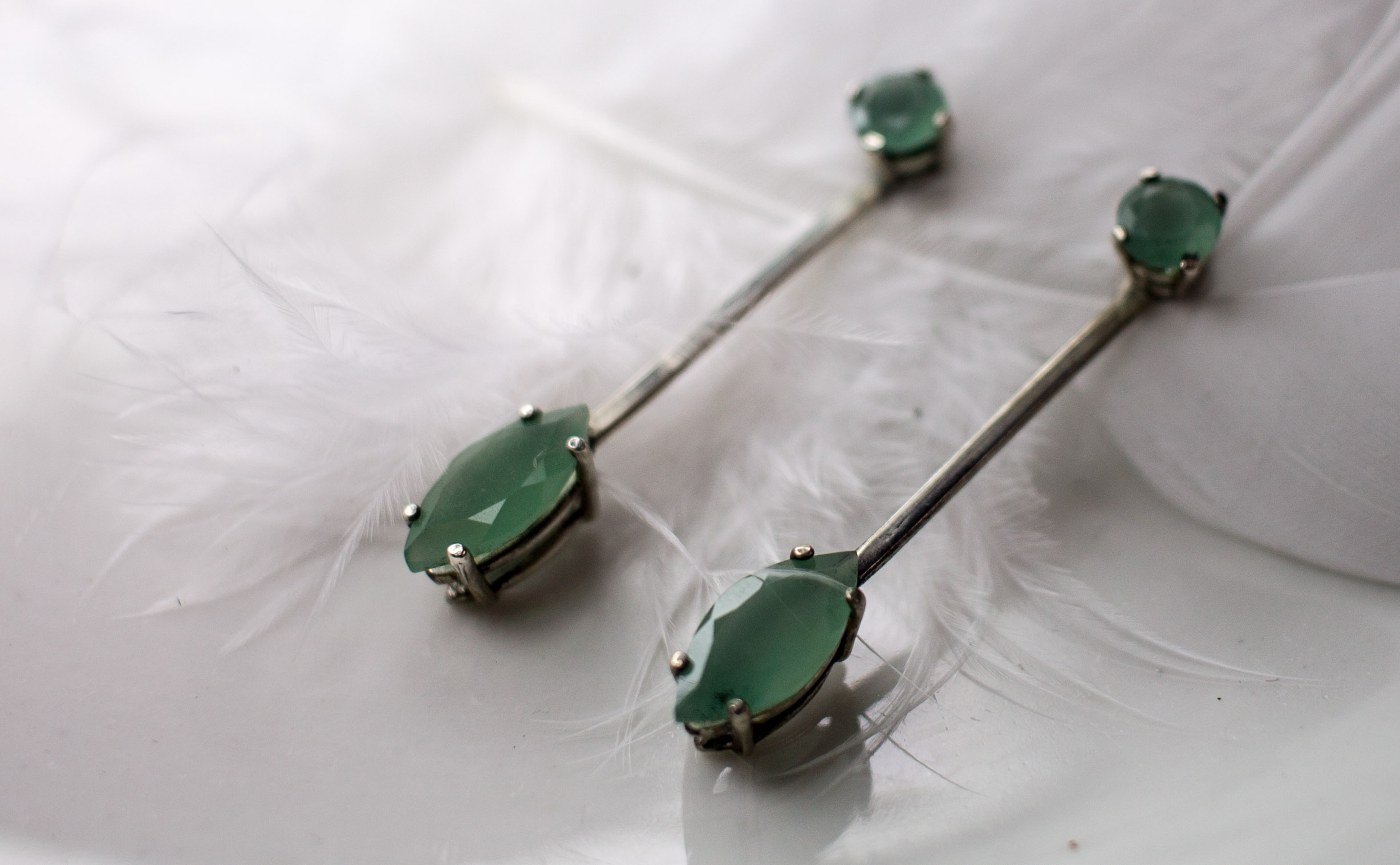
Perhaps the most traditional method of adding color to jewelry is through the use of gemstones. From the fiery red of rubies to the deep blue of sapphires, gemstones come in an endless array of hues, each one offering its own distinctive beauty. Whether set as the focal point of a design or used as accents to complement other elements, gemstones have a timeless appeal that never fails to captivate.
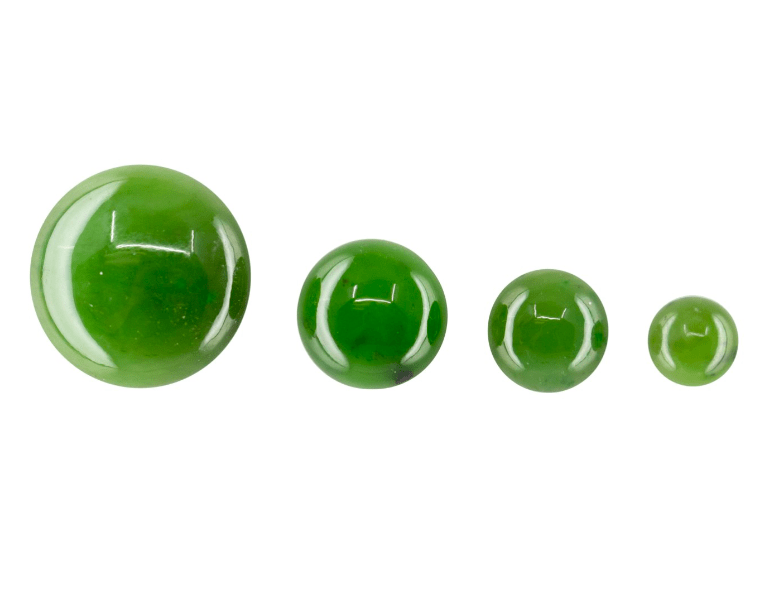

Check out our selection of cabochons and faceted cubic zirconia
Gemstones can also add value to your work significantly, precious and even semi-precious stones increase the value of your work. While stone setting can seem intimidating, gemstones can be set using different techniques, which can make the task less daunting. Jewelers who are beginning their journey with stone setting typically begin by buying premade findings for calibrated stone sizes, while more advanced jewelers might create their own settings or modify seats to fully customize their work. Using cabochons can be a good way to start adding stones to your work, while faceted stones can sometimes be more challenging to set.
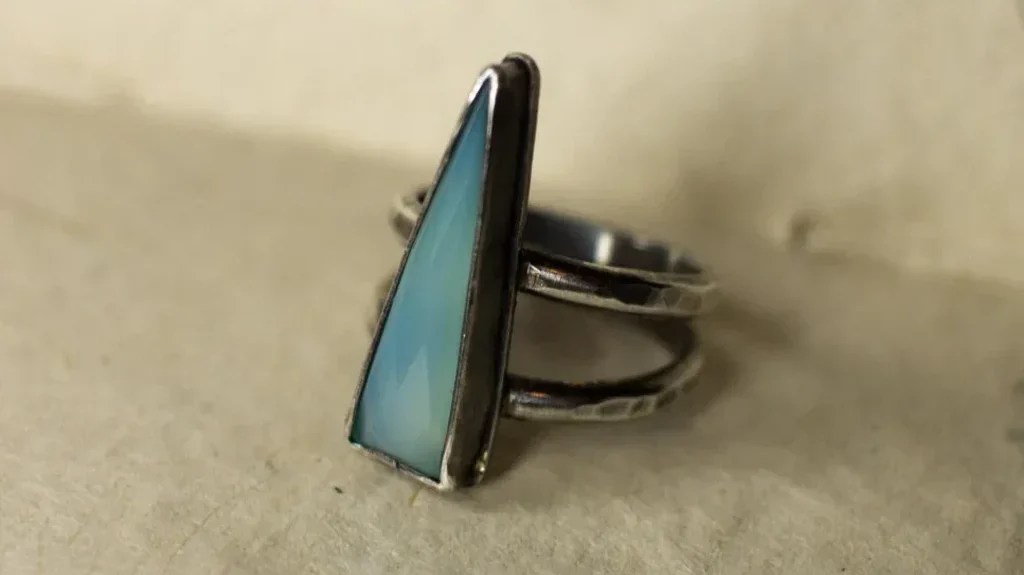
Many creatives also use less expensive stones like cubic zirconia to practice their faceted stone setting skills, and semi-precious cabochons can also be an inexpensive and more natural way to incorporate stones into your work.
Enamels
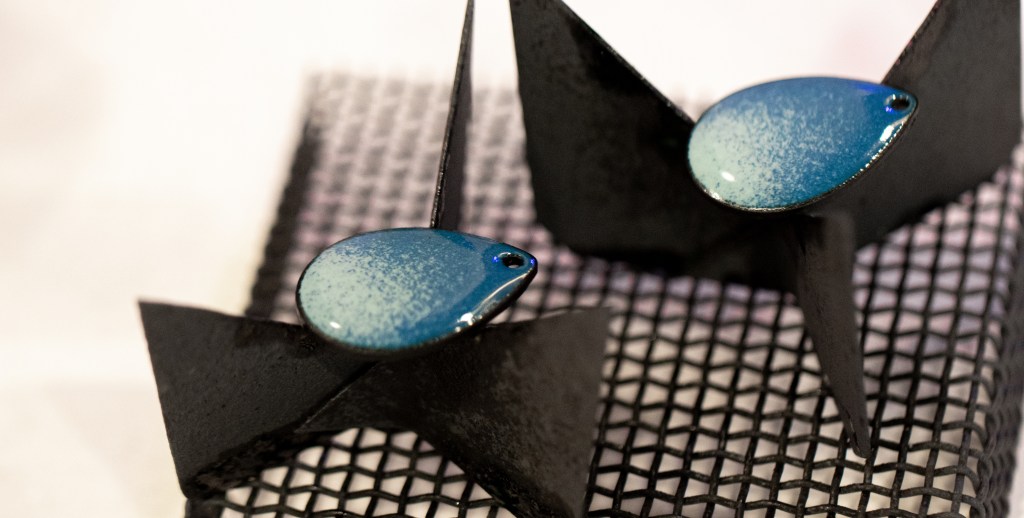
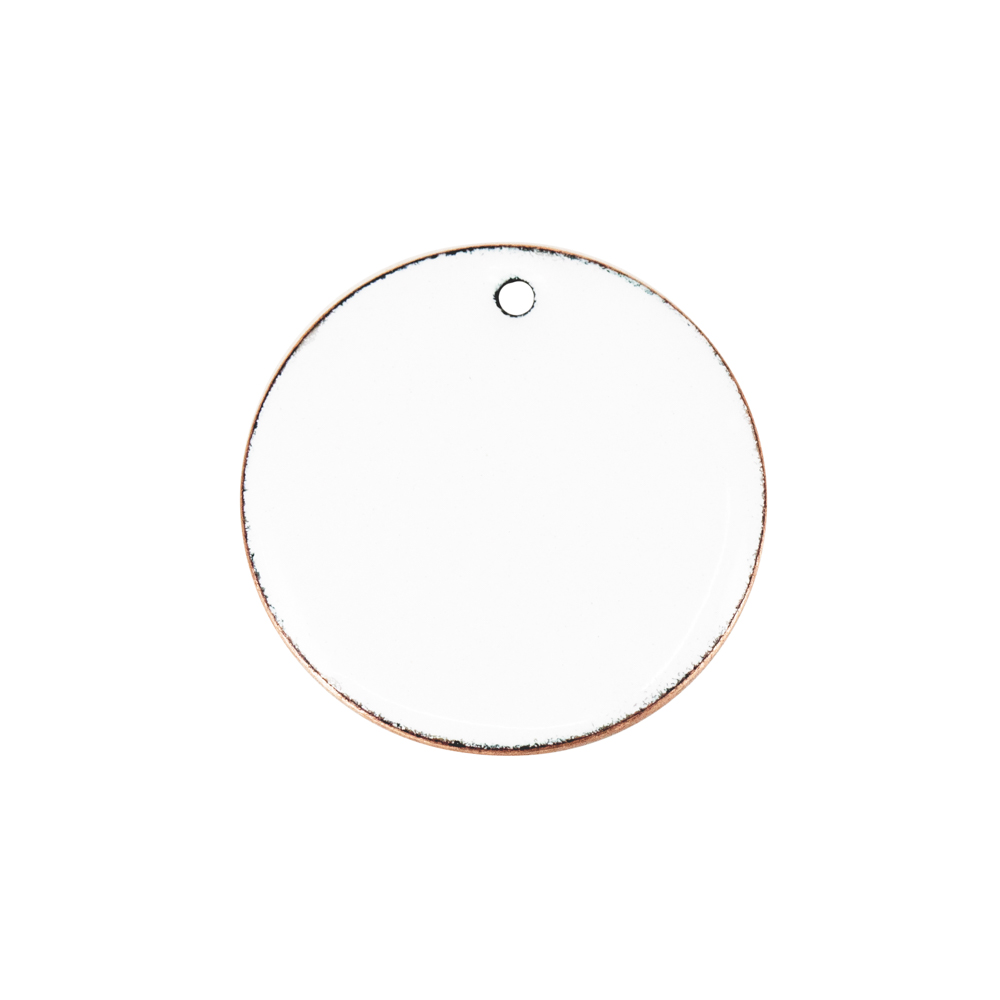
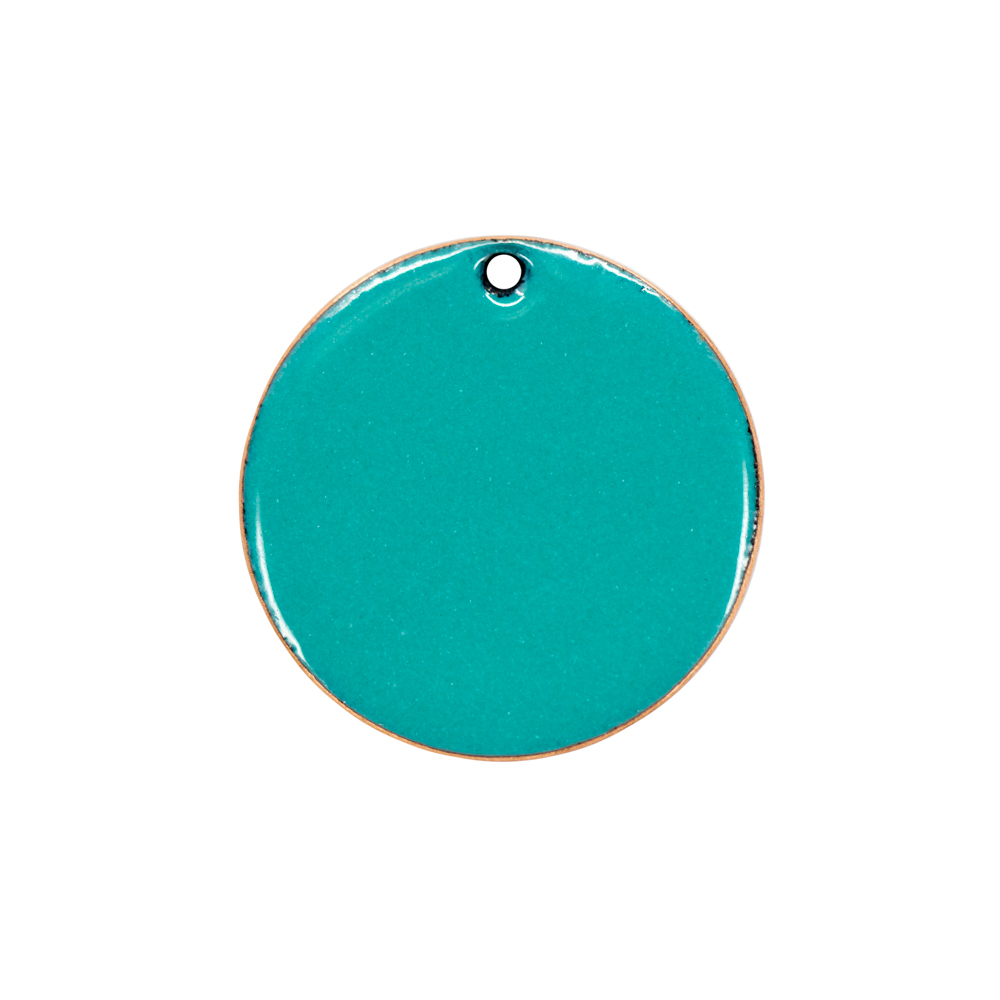
Enameling is a centuries-old technique that involves fusing powdered glass to metal through a high-temperature firing process. Enameling can seem intimidating at first but it’s actually very friendly for jewelers because there are many different techniques and options for the process. Aside from the standard kiln firing, torch firing is also an option. You can still experiment with most enameling techniques using a butane torch if you don’t have a kiln in your studio. Since it’s in powdered form, stencils and decals can also be used to create shapes and designs in the enamel. Manufacturers like Thompson Enamel have been creating their formula for over a century so there are many resources and a lot of collective knowledge around the process.

This versatile method allows jewelers to achieve an unparalleled depth and richness of color, ranging from subtle pastels to bold, vivid tones. From cloisonné to champlevé, there are various enameling techniques for artisans to explore, each offering its own unique aesthetic.
Browse our selection of enameling supplies from Thompson

Inlays
Inlaying is a technique that involves setting pieces of colorful materials, such as gemstones, shell, or wood, into recessed areas of metalwork to create striking contrast and visual interest. Whether used to highlight geometric patterns or create intricate mosaic designs, inlays offer a dynamic way to incorporate color into jewelry while adding depth and dimension to the overall composition.
Resin
Resin is a versatile material that has become increasingly popular among contemporary jewelry designers for its ability to add color and depth to designs. Whether tinted with pigments and mica powder or infused with sparkling additives like glitter or metallic flakes, resin can be molded and shaped to create stunning focal points or intricate embellishments. From bold statement pieces to delicate accents, resin offers endless opportunities for creativity.
Patinas
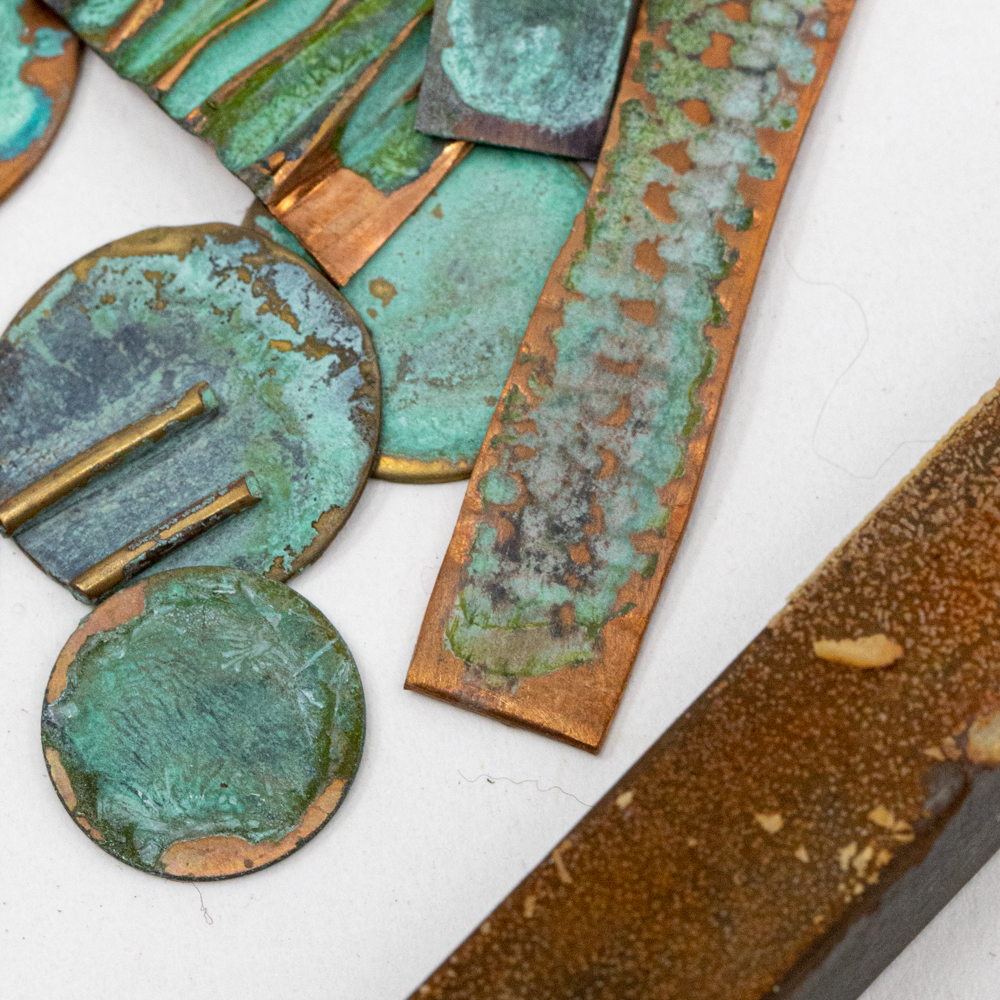
Patinas are a favorite among jewelry artists for adding character and depth to metal surfaces. By applying chemical solutions or using natural oxidation processes, jewelers can create rich, nuanced colors that range from warm earth tones to vibrant blues and greens. Some brands like JAX Chemical Company, manufacture patinas that make application easier. Instead of feeling like you’re doing chemistry homework, JAX is simply applied with a brush and a touch of patience for waiting until the solution does its work. Its simple application makes it a best-seller for us. The JAX Green, for example, is commonly used to replicate a verdigris finish – think of the color that the statue of liberty has. Instead of leaving your copper pieces out in the salty air and waiting for them to get that color, which could take many years, jewelers can now imitate it in a few minutes. Applications like this show how patinas enhance the texture and contrast of metalwork, creating unique pieces.
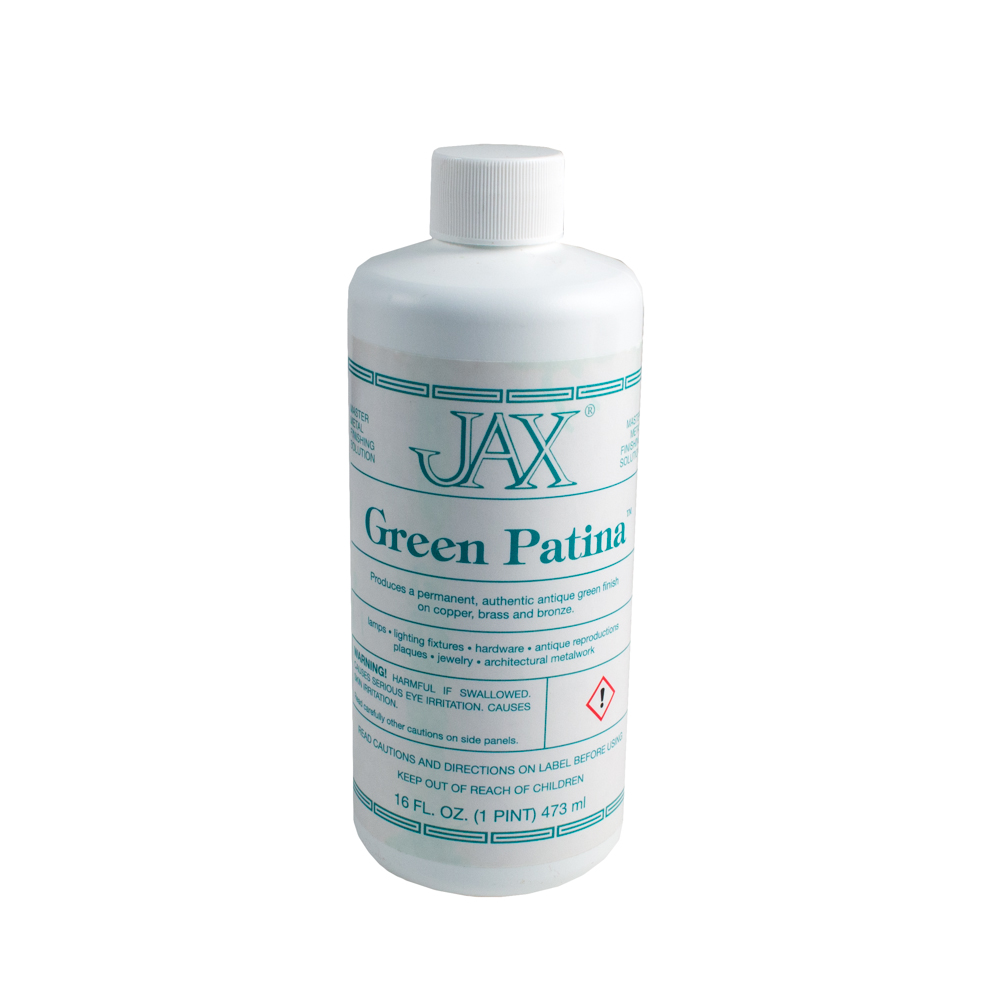
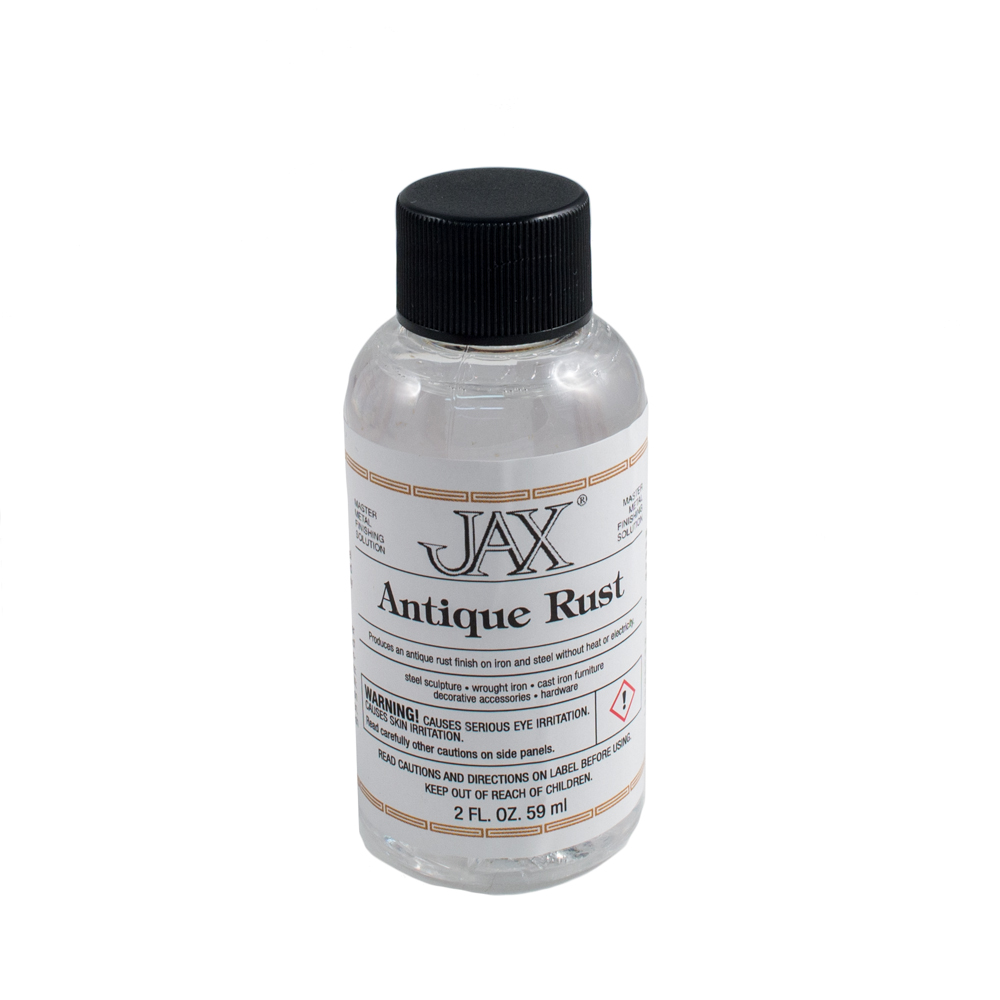
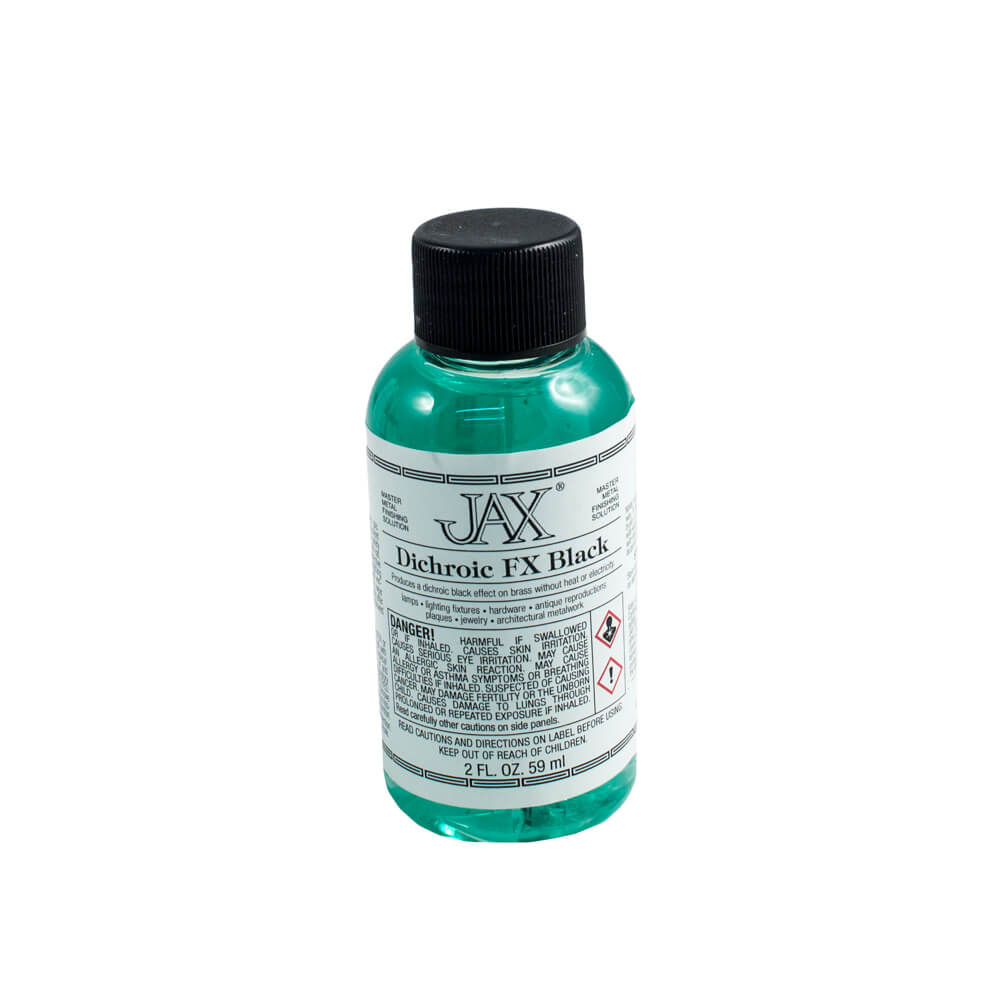
Check out our colorful patinas and supplies
The world of jewelry design offers a kaleidoscope of possibilities when it comes to adding color to creations. Whether through the use of gemstones, enameling, inlays, resin, or patinas jewelers have a wealth of options at their disposal to bring their artistic visions to life.
 Seattle Findings Blog